


Whether you are upgrading your license, transitioning to a new aircraft, or adding a specific aircraft endorsement, our experienced instructors will guide you through the process safely and efficiently.
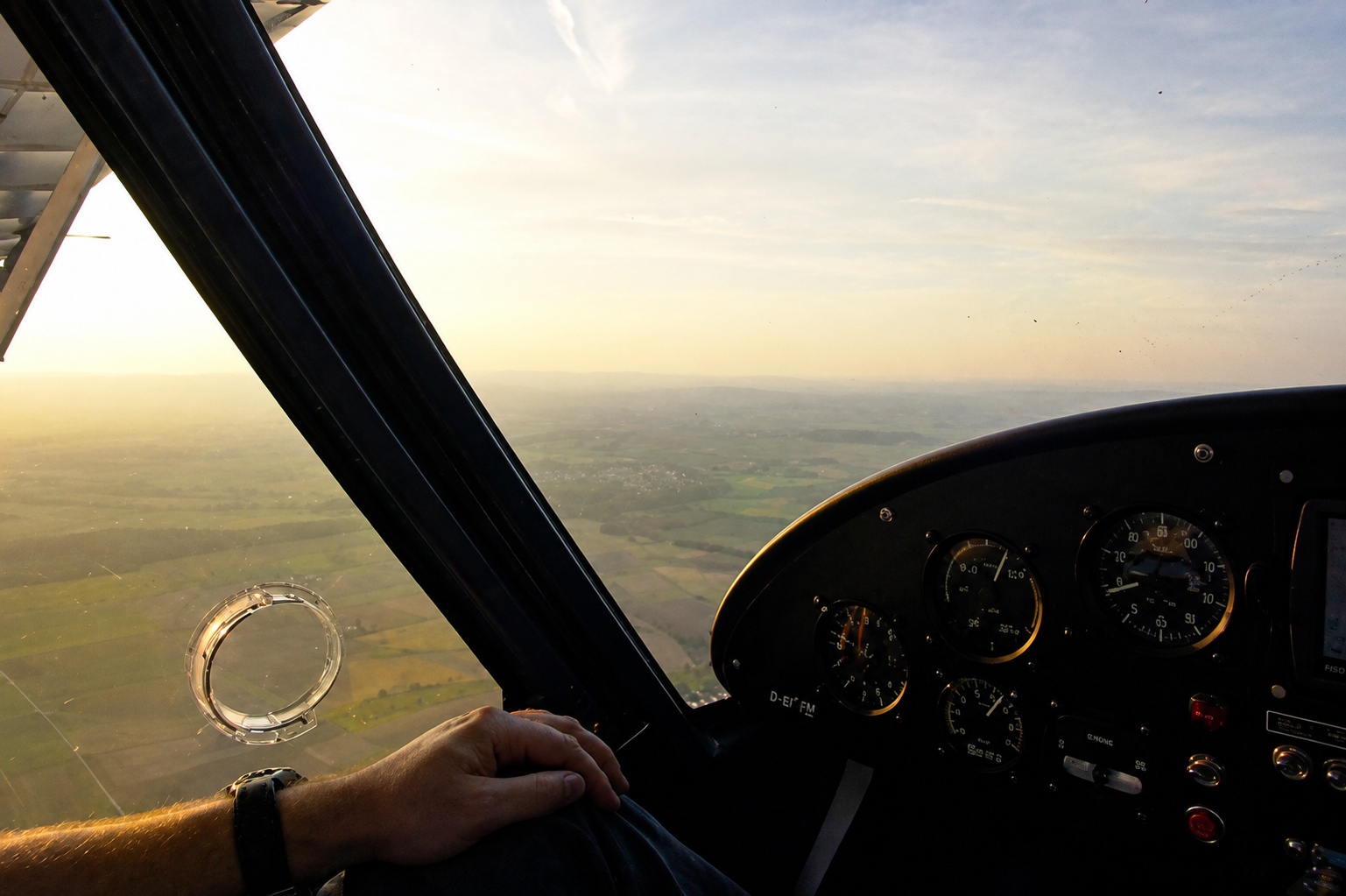
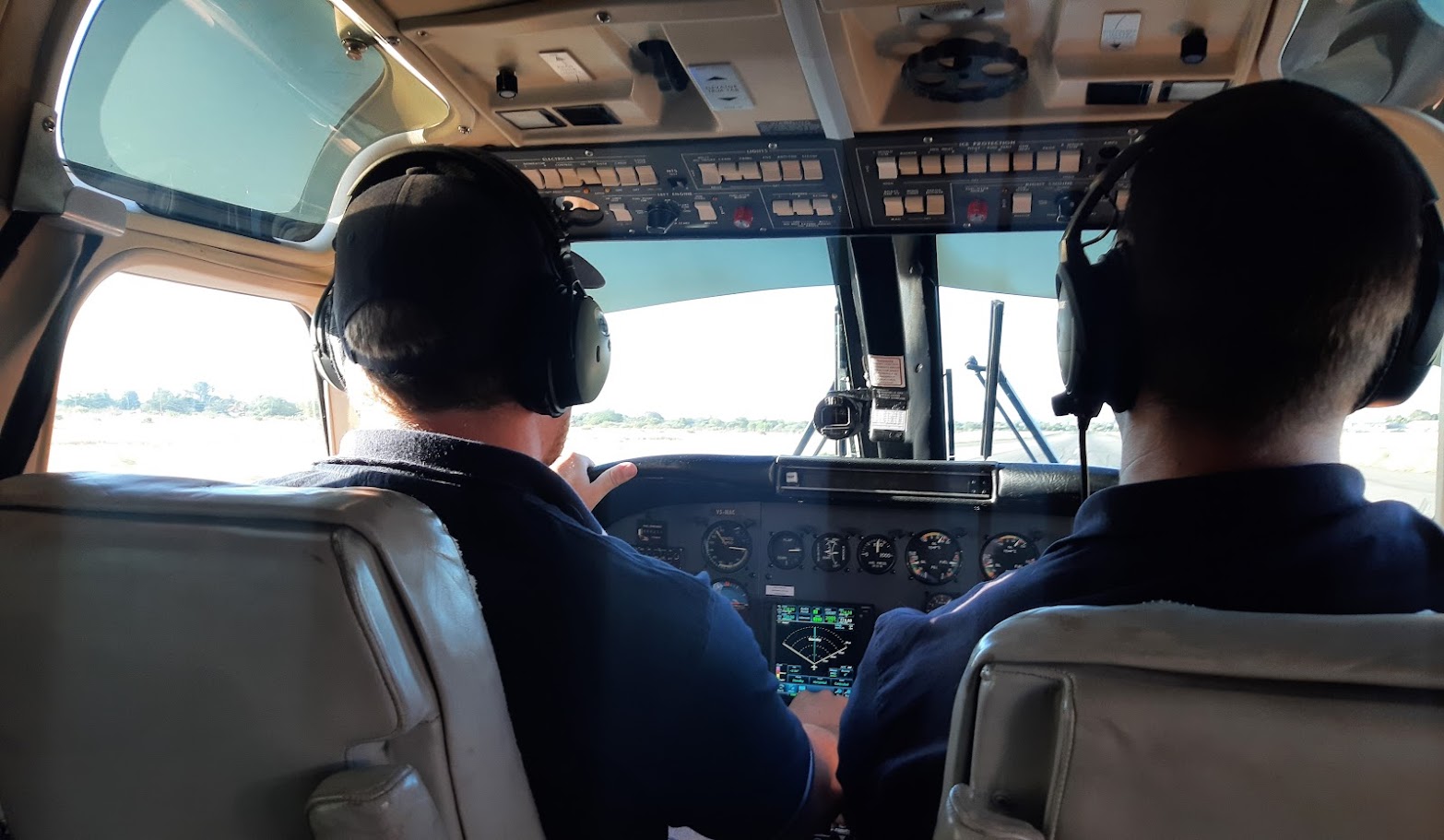
All training is conducted in full compliance with Part 61, Subpart 17, ensuring your rating is valid, endorsed, and recognized under Namibian law.
Night Rating Requirements:
Theoretical Knowledge Training
Applicants must complete a minimum of 5 hours of ground instruction, covering:
A written examination on the above material must be passed as prescribed by the Authority.
Practical Flight Training
Instrument Instruction
Skills Test & License Endorsement
Upon completion of training, applicants must undergo a Night Rating skills test, which:
Once all requirements are met, the Night Rating is endorsed on the pilot’s license by the Namibia Civil Aviation Authority.
Allows a pilot to fly under Instrument Flight Rules (IFR), enabling safe aircraft operation in low visibility and poor weather conditions using flight instruments alone.
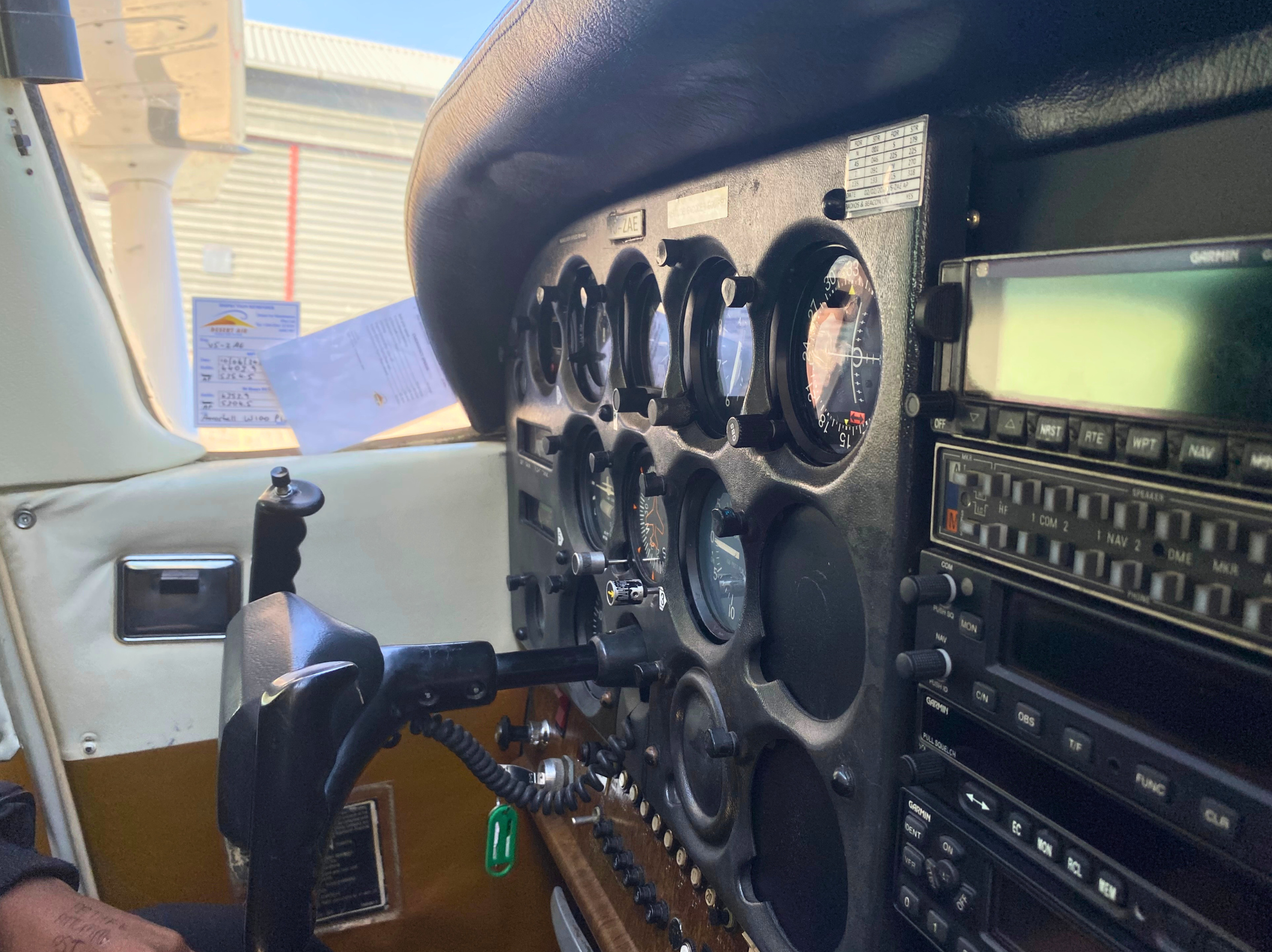
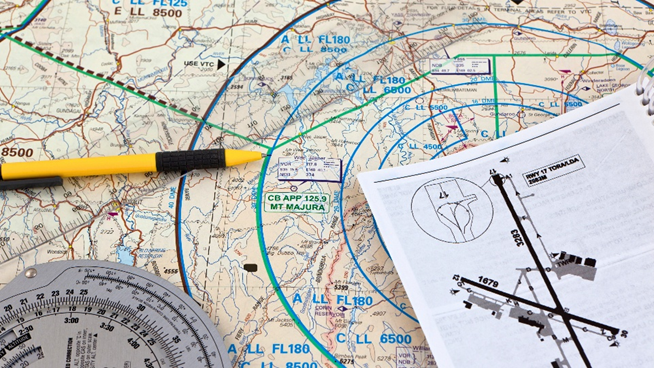
An Instrument Rating (IR) trains pilots to fly without external visual reference, which is essential when the horizon is obscured by fog, haze, cloud, or night conditions. Pilots learn how to safely descend through cloud and reduced visibility using approved instrument approaches and navigation aids.
Training also focuses on early identification of potentially hazardous weather and effective IFR flight planning. The standards for an Instrument Rating are significantly higher than those for a PPL or Night Rating.
Pilots are trained to manage abnormal and emergency situations solely by reference to flight instruments. For commercial pilots, an Instrument Rating is essential.
Requirements
Flight Requirements
Theoretical Requirements
Skills Test
An Instructor Rating is one of the most valuable qualifications a professional pilot can obtain. Beyond teaching others to fly, becoming a Flight Instructor significantly enhances a pilot’s technical knowledge, decision-making ability, and aircraft handling skills. Instructing develops discipline, confidence, and leadership – qualities highly regarded throughout the aviation industry.
At Desert Aviation Academy, we train instructors to the highest standards, ensuring our graduates are competent, confident, and compliant.
To qualify for the issue of a Grade III Flight Instructor Rating, an applicant must:
(Minimum pass mark: 75%)
The theoretical knowledge examinations consist of the following two combined papers:
Ground Training
Applicants must complete at least 80 hours of instructional briefing and lectures.
Ground training includes, but is not limited to:
Flight Training (Patter)
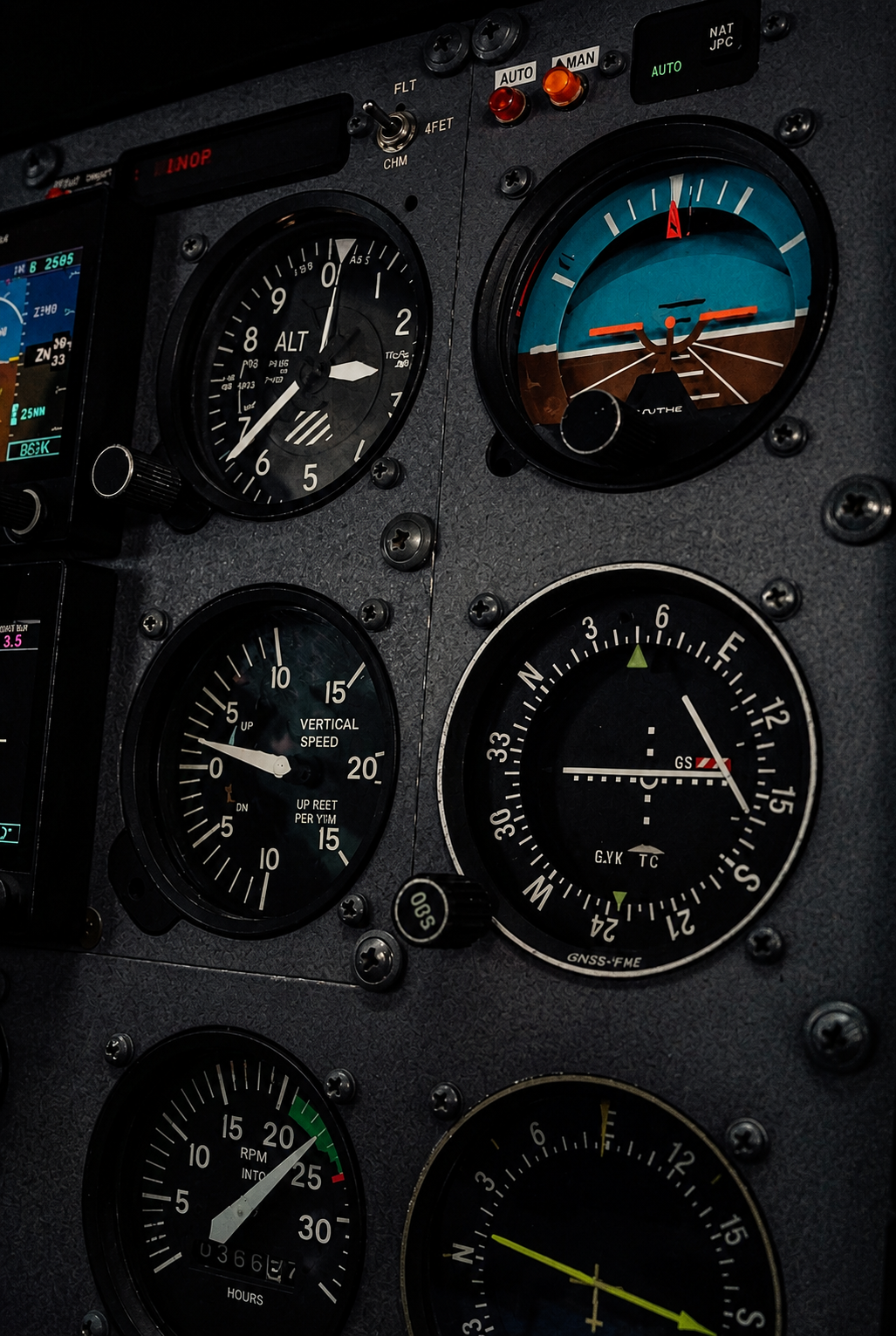
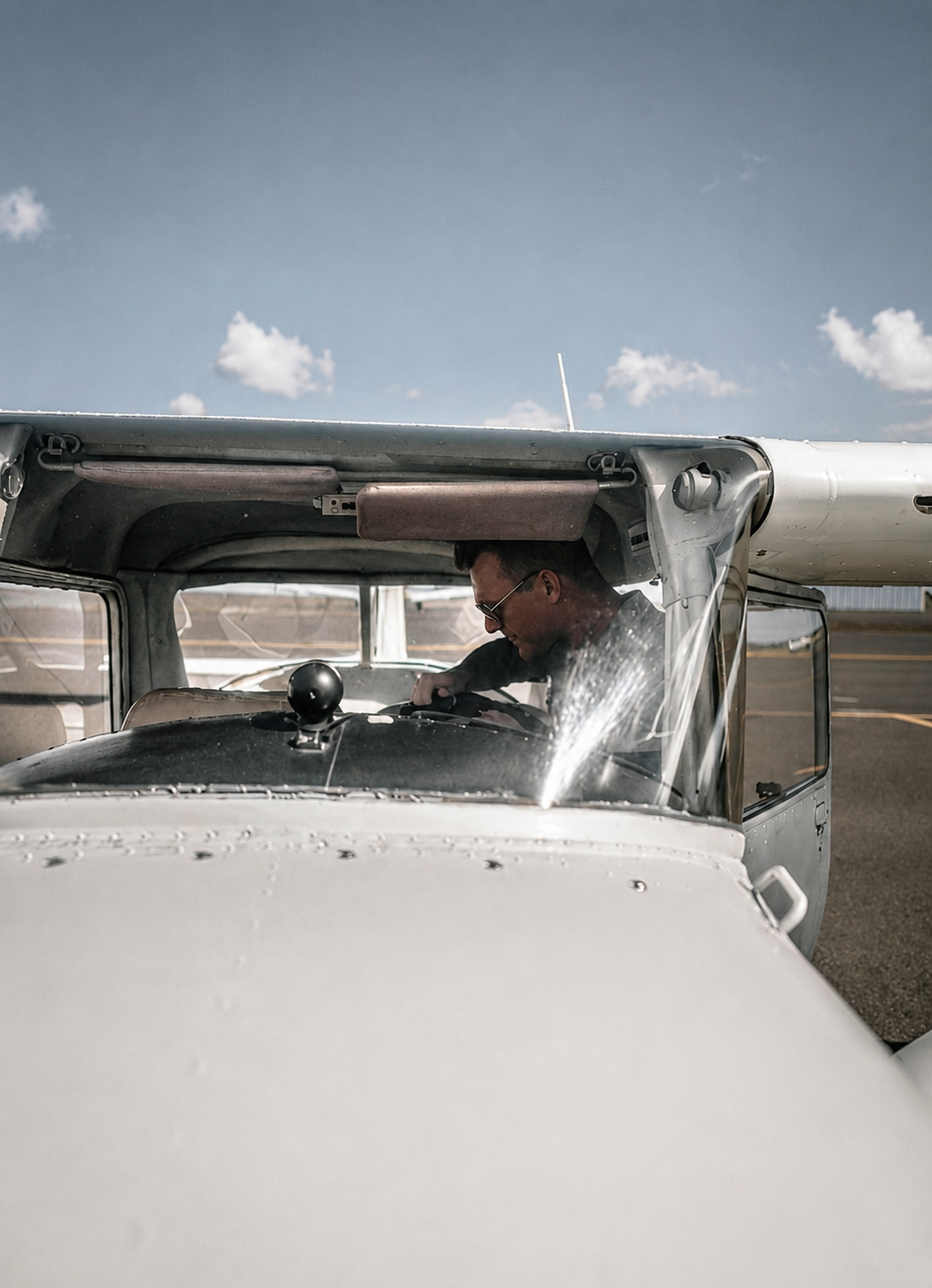
Applicants must complete a minimum of 20 hours of flight patter training (applicant will be occupying the right hand seat)
Flight patter training focuses on:
Skills Test
Upon completion of all theoretical and practical training requirements, the applicant must successfully complete a Grade III Flight Instructor Skills Test.
The skills test includes:
The test is conducted by an appropriately rated Designated Flight Examiner (DFE)