Kolmanskop

Where the Desert Moved In Located just outside Lüderitz in southern Namibia, this abandoned diamond mining town was once one of the wealthiest settlements in Africa. Today, its empty buildings, drifting sand dunes, and silent streets offer a glimpse into a remarkable chapter of Namibia's history.

What was once a thriving community complete with a school, hospital, ballroom, theatre, bakery, and ice factory has gradually been reclaimed by the desert. As the sands of the Namib continue to move through the buildings, Kolmanskop stands as one of Namibia's most photographed and intriguing destinations.

Whether explored on foot or viewed from above, it is a place where history and landscape have become inseparable.

Why Visit Kolmanskop?
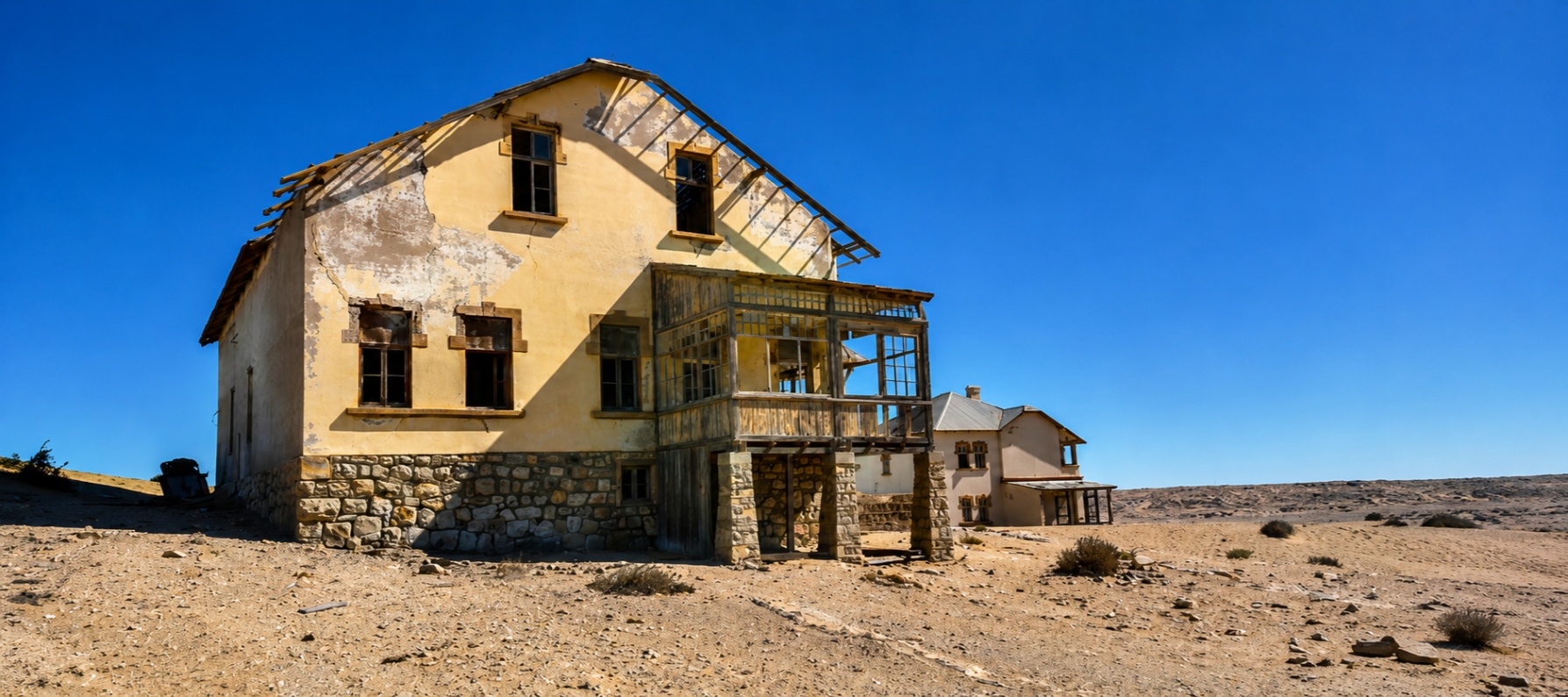
Kolmanskop offers something unlike any other destination in Namibia.
Visitors come to walk through abandoned homes where dunes now fill former living rooms, to photograph the striking contrast between German colonial architecture and desert sands, and to discover the fascinating story behind one of Africa’s greatest diamond booms.
Unlike many historical sites, Kolmanskop has not been frozen in time. Instead, it continues to change as wind and sand slowly reshape the buildings year after year.
For photographers, history enthusiasts, and travellers interested in Namibia’s past, Kolmanskop provides a unique opportunity to witness how quickly fortunes can change and how powerfully nature can reclaim what was once considered permanent.

Interesting Facts

Born From a Diamond Discovery

Kolmanskop was established following the discovery of diamonds in the area in 1908, sparking a diamond rush across the region.

Once One of Africa's Wealthiest Towns

At its peak, the town featured a hospital, school, ballroom, theatre, bakery, ice factory, and other facilities rarely found in such a remote desert location.

Ice in the Desert

Fresh water was transported by rail from as far away as Cape Town, while an ice factory supplied residents with ice despite the harsh desert environment.

Named After a Transport Driver

The town is believed to have been named after Johnny Coleman, a transport driver who reportedly abandoned his ox wagon nearby during a sandstorm.

Abandoned in 1956

As richer diamond deposits were discovered further south, residents gradually left Kolmanskop and the town was eventually abandoned.

One of Namibia's Most Photographed Locations

Today, the combination of abandoned buildings and drifting desert sands attracts photographers from around the world.

A Town Slowly Reclaimed By Sand

The desert continues to reshape Kolmanskop, filling abandoned rooms and hallways with drifting dunes year after year.

The Story of Kolmanskop
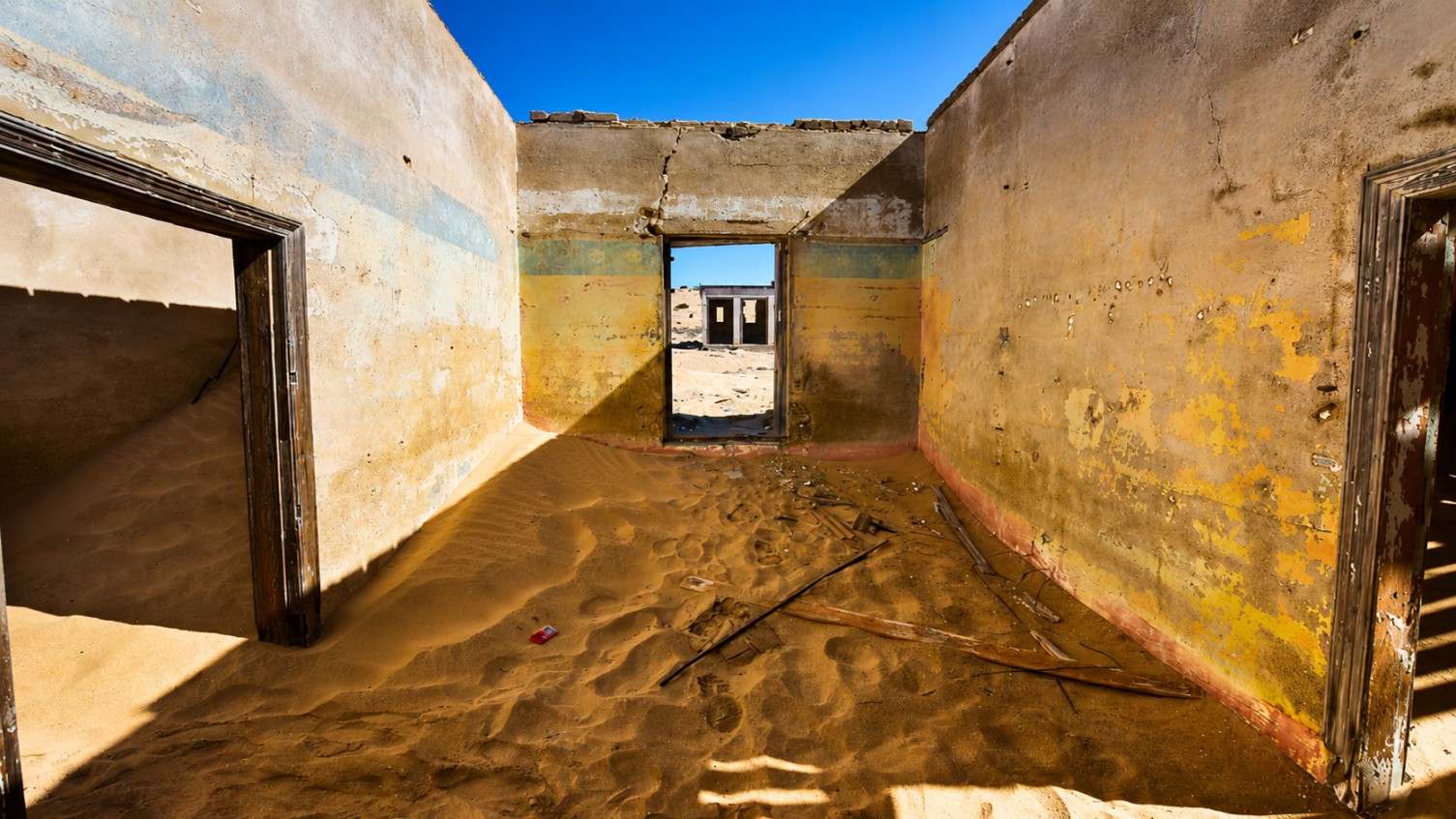
The story of Kolmanskop began in 1908 when diamonds were discovered near Lüderitz. Almost overnight, prospectors and fortune seekers arrived in the area hoping to benefit from what would become one of the world’s richest diamond fields.
Within a few years, a thriving town emerged in the middle of the desert. Inspired by German architecture and European lifestyles, residents built elegant homes and established facilities that were extraordinary for such a remote location. Kolmanskop quickly became a symbol of prosperity during Namibia’s diamond boom.
The town remained successful for several decades, but by the 1920s richer diamond deposits had been discovered further south near Oranjemund. As mining activity shifted, Kolmanskop’s importance gradually declined. By the 1950s, most residents had left and the town was officially abandoned in 1956.
Today, the desert continues the work that began decades ago. Sand drifts through hallways, fills abandoned rooms, and reshapes the town with every passing year. What remains is one of Namibia’s most remarkable historical attractions and a powerful reminder of the rise and decline of the diamond era.

ABOUT THE AUTHOR

Picture of admin

admin

Aviation is more than our business — it’s our passion. We connect people, places, and possibilities across the vast and beautiful landscapes of Namibia.

“There is a quiet resilience that seems to live in the land. It is present in the people, too.”

Related Post

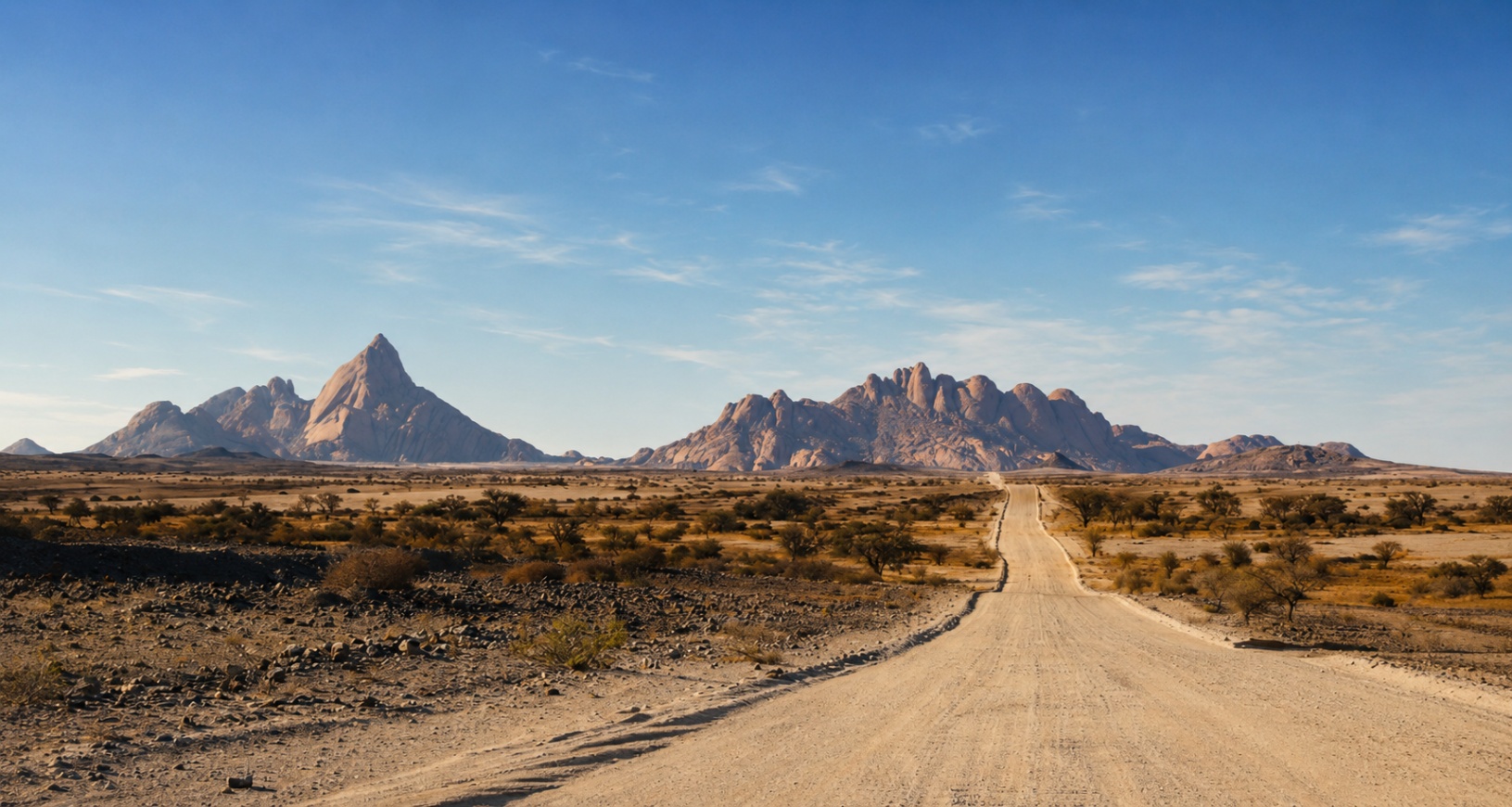
Spitzkoppe

5 min read

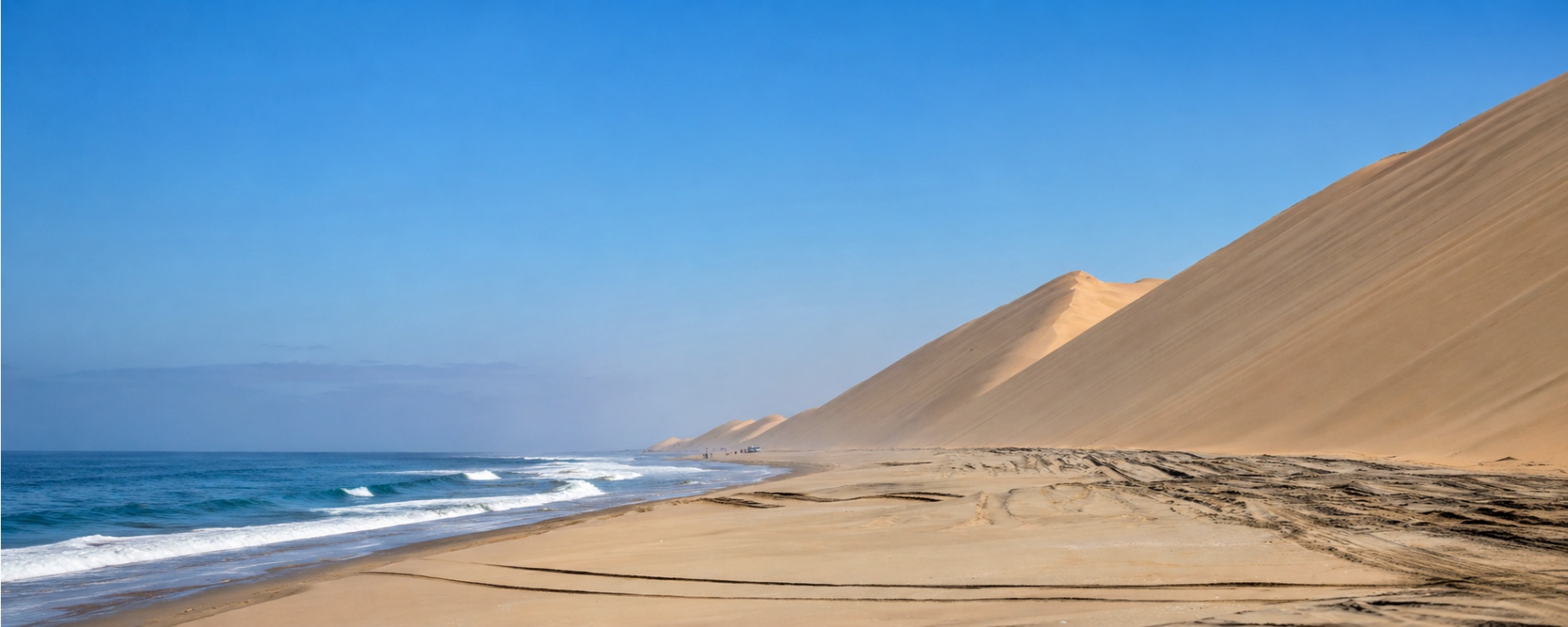
Swakopmund

5 min read

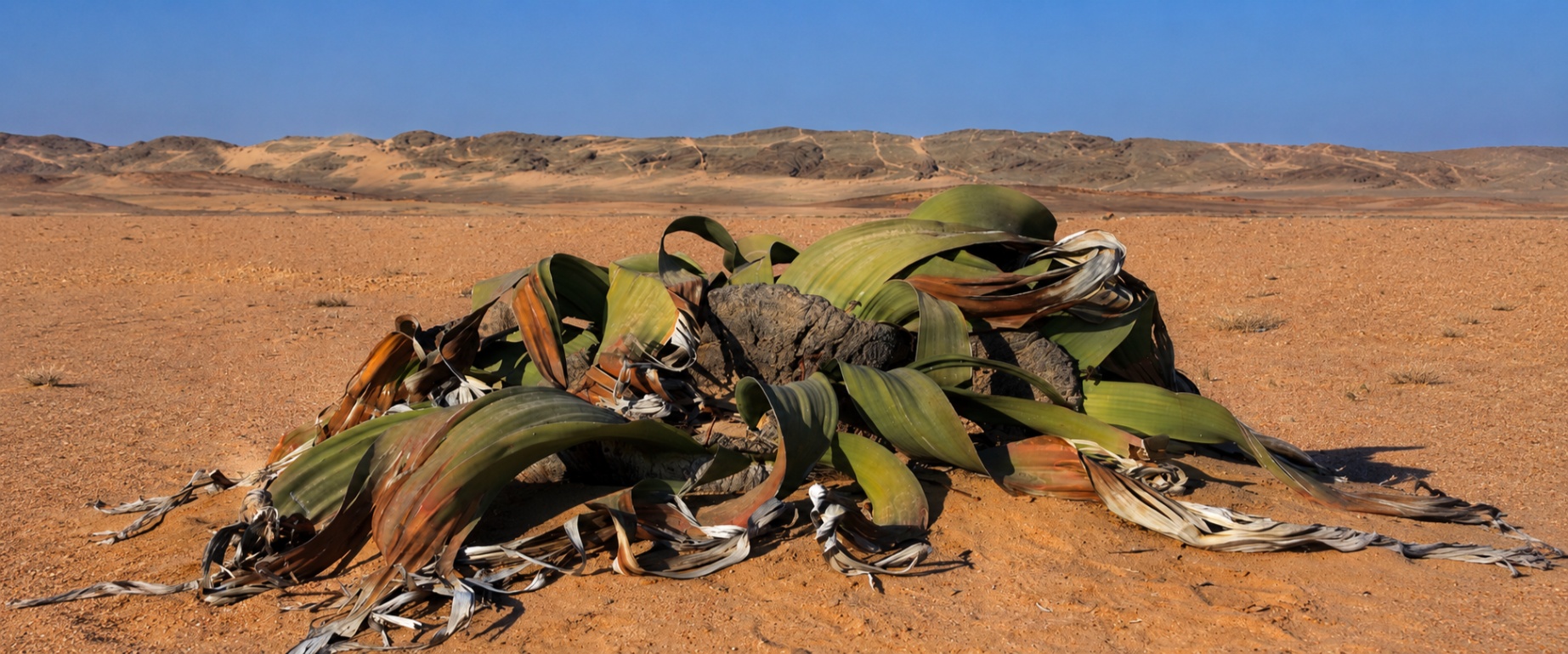
Welwitschia

5 min read

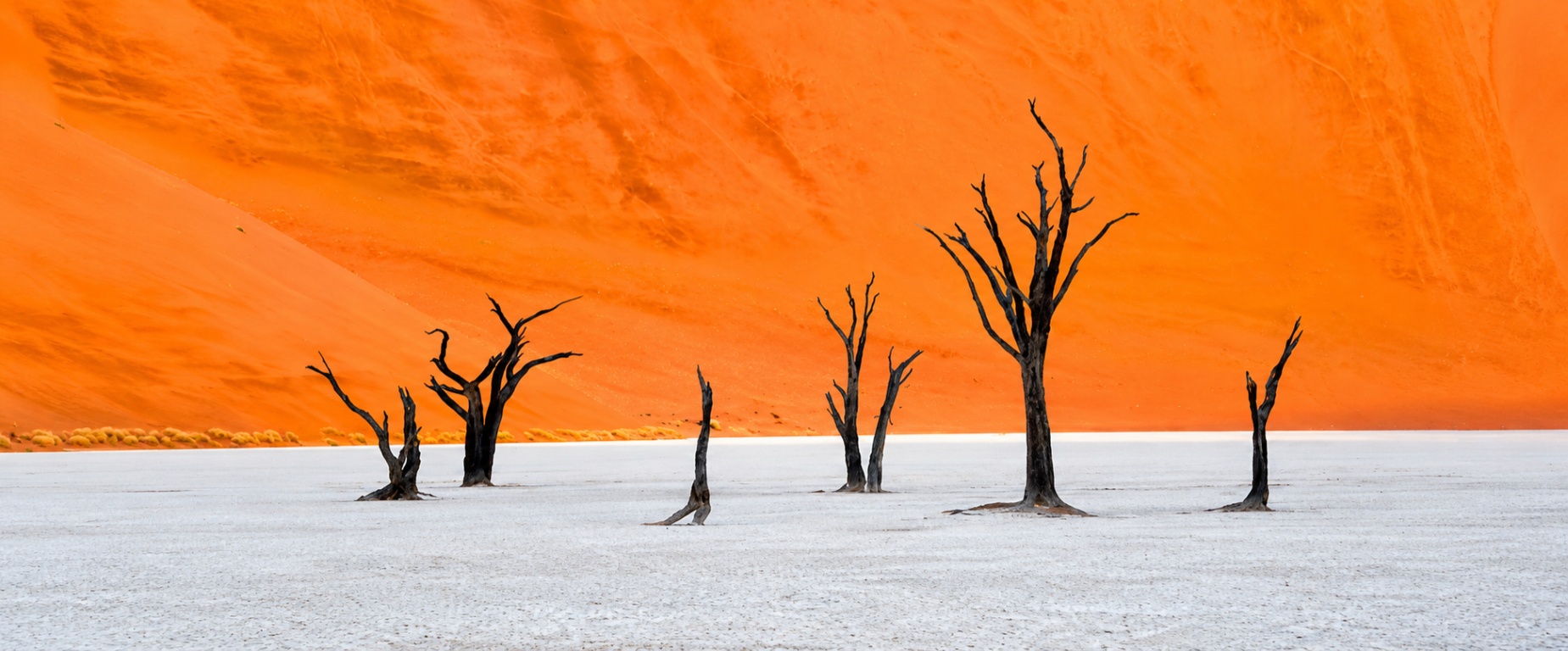
Sossusvlei

5 min read