Where the Desert Meets the Sky
Why Visit Sossusvlei?
Interesting Facts
One of the World's Oldest Deserts
Sossusvlei lies within the Namib Desert, widely regarded as the oldest desert on Earth and estimated to be at least 55 million years old.
The Meaning of Sossusvlei
The name combines the Nama word "Sossus", meaning "dead end", and the Afrikaans word "vlei", meaning "marsh" or "pan".
A River That Rarely Flows
The Tsauchab River originates in the Naukluft Mountains and only reaches Sossusvlei after periods of significant rainfall. During exceptional rainy seasons, water may collect in the pan, creating a rare and remarkable sight.
Home to Some of the Highest Dunes on Earth
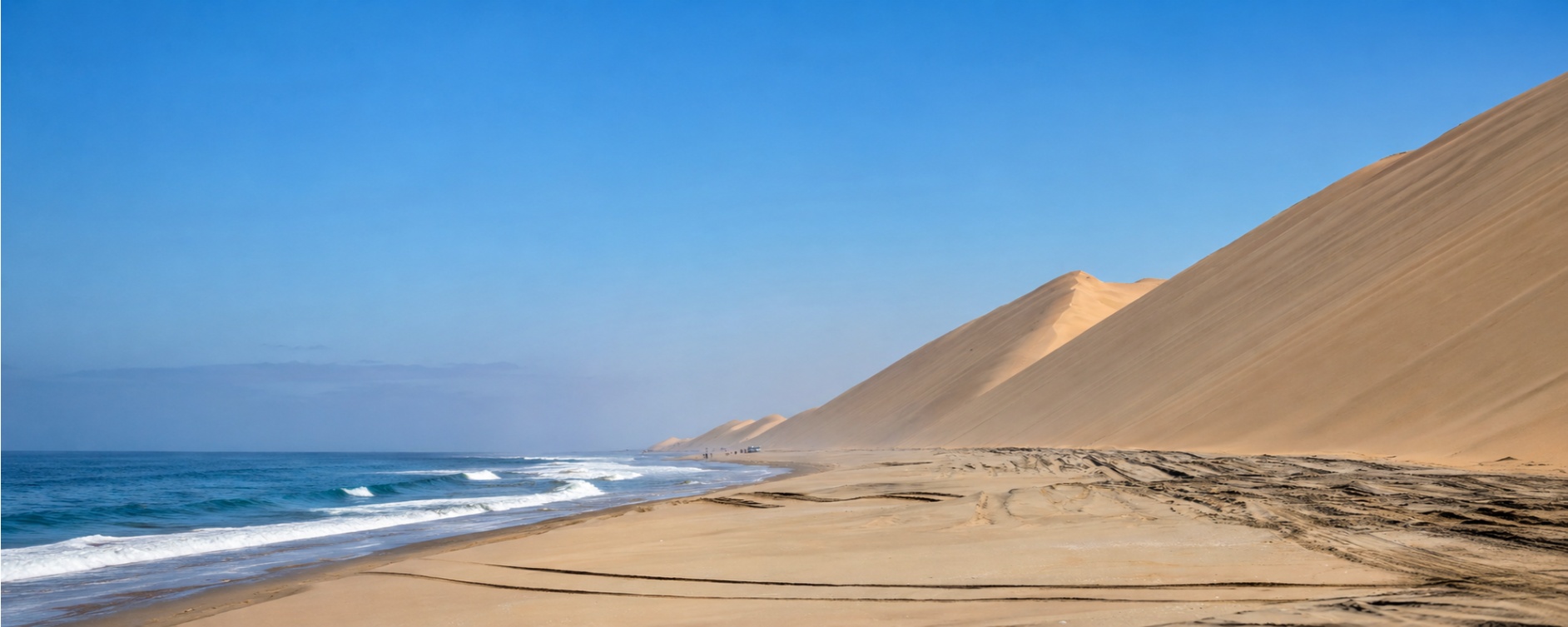
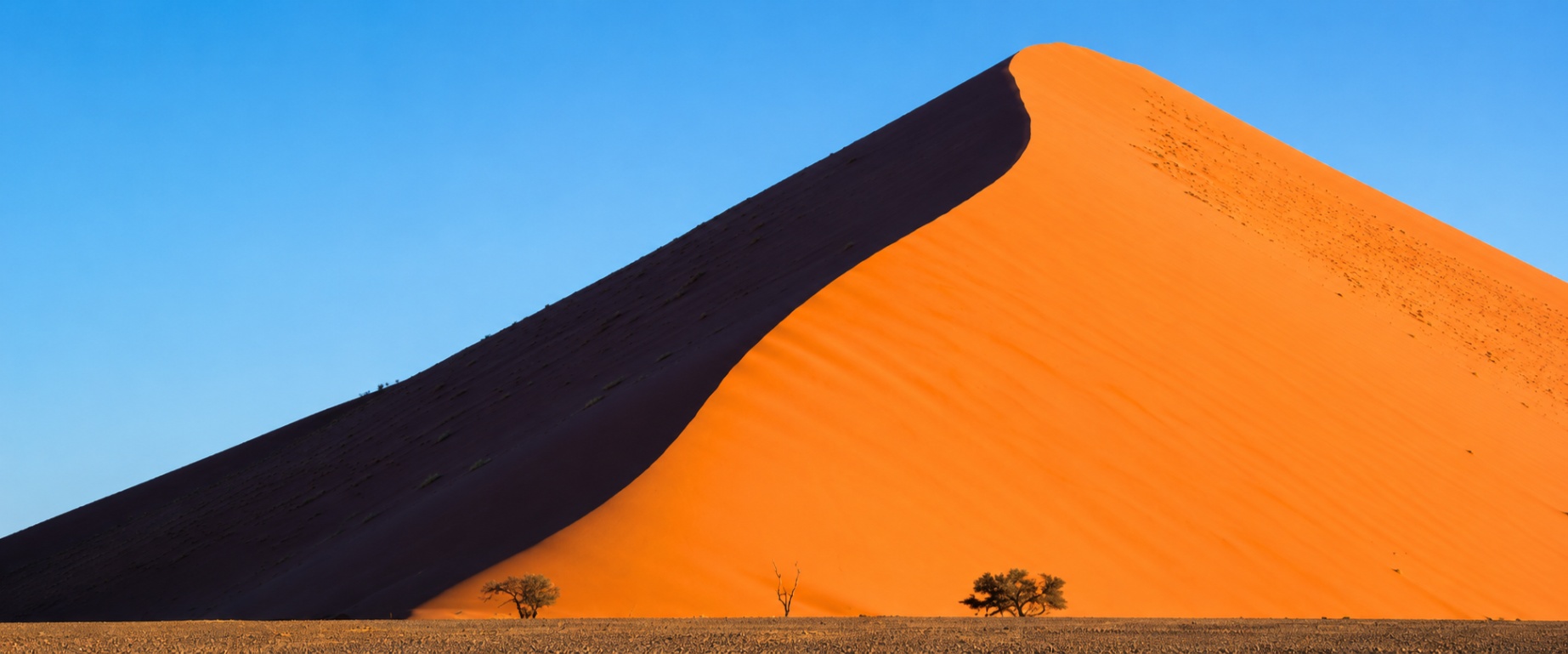
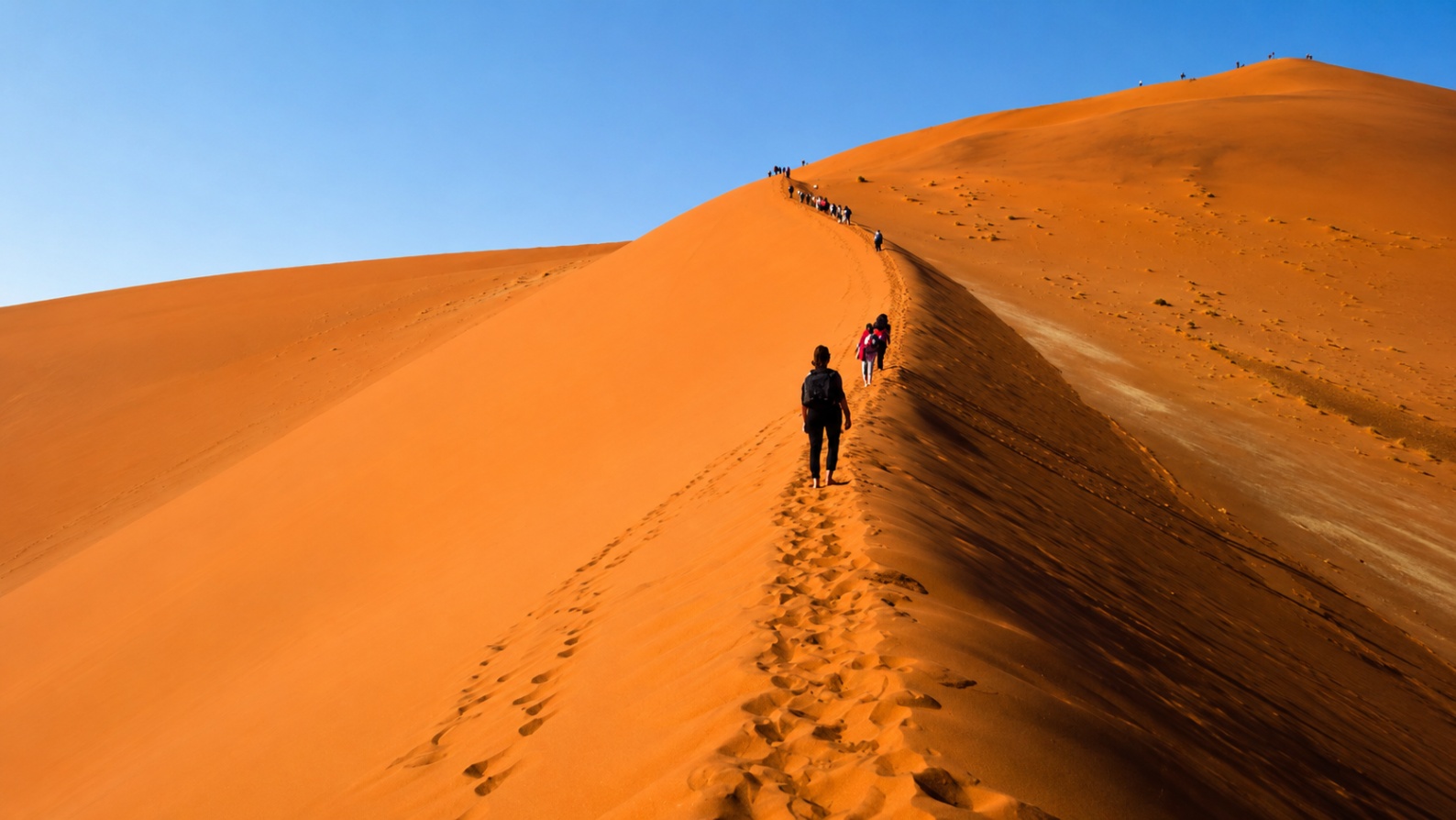
The dunes surrounding Sossusvlei are among the tallest in the world, with some rising more than 300 metres above the desert floor.
Deadvlei's Ancient Trees
The famous camelthorn trees of Deadvlei are believed to have died hundreds of years ago when shifting dunes prevented floodwaters from reaching their roots. The dry desert climate has preserved them ever since.
A Landscape Shaped by Light
The colours of the dunes change dramatically throughout the day. Depending on the angle of the sun, the sand can appear golden, orange, deep red, or even purple in places.
The Story of Sossusvlei
Best Seen From Above
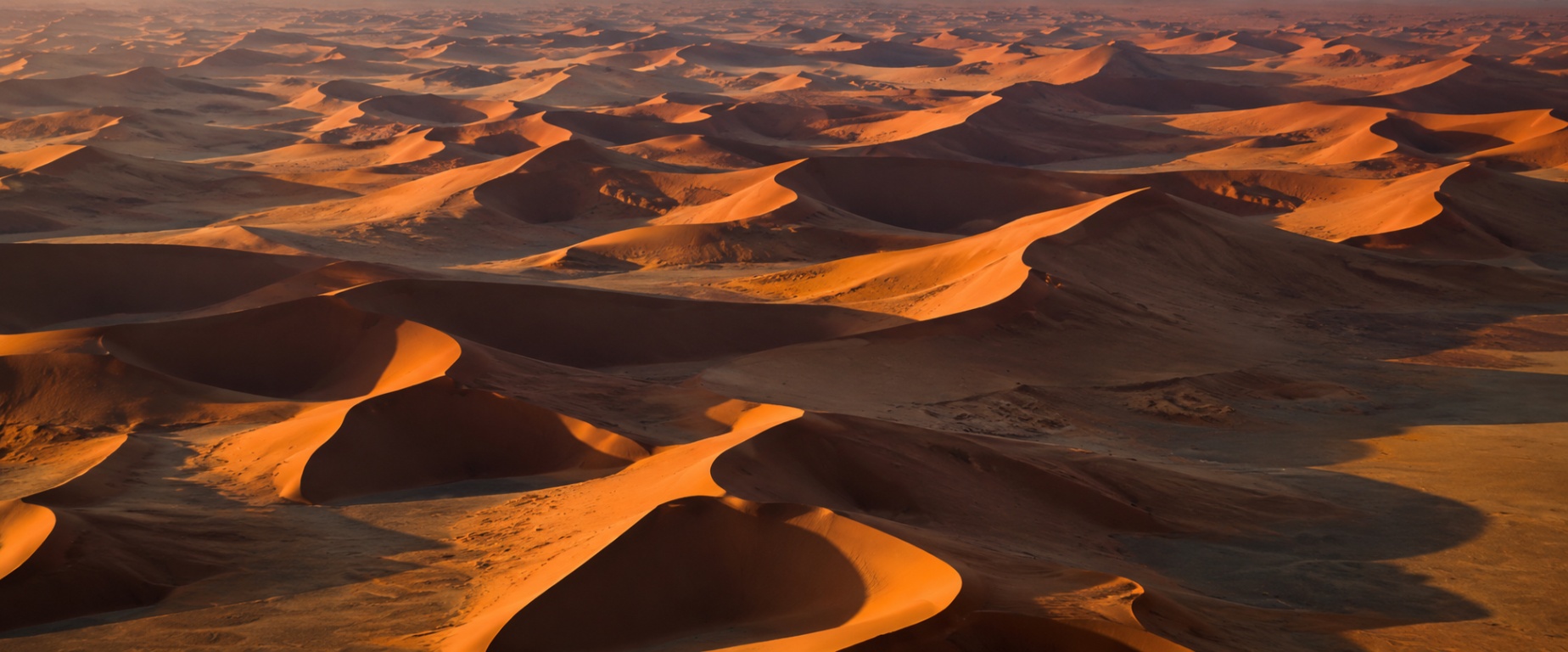
From above, the dunes stretch across the landscape like waves frozen in time. The path of the Tsauchab River becomes visible, winding through the desert before disappearing amongst the sands. White clay pans stand out against the red dunes, while patterns created by light and shadow reveal details often missed from below.
While Sossusvlei is remarkable from the ground, the air reveals a completely different perspective.
It is from the air that the true scale of Sossusvlei becomes apparent. The relationship between dune, river, and pan is easier to understand, and the vastness of the Namib Desert reveals itself in a way that few other viewpoints can offer.
Places to Explore
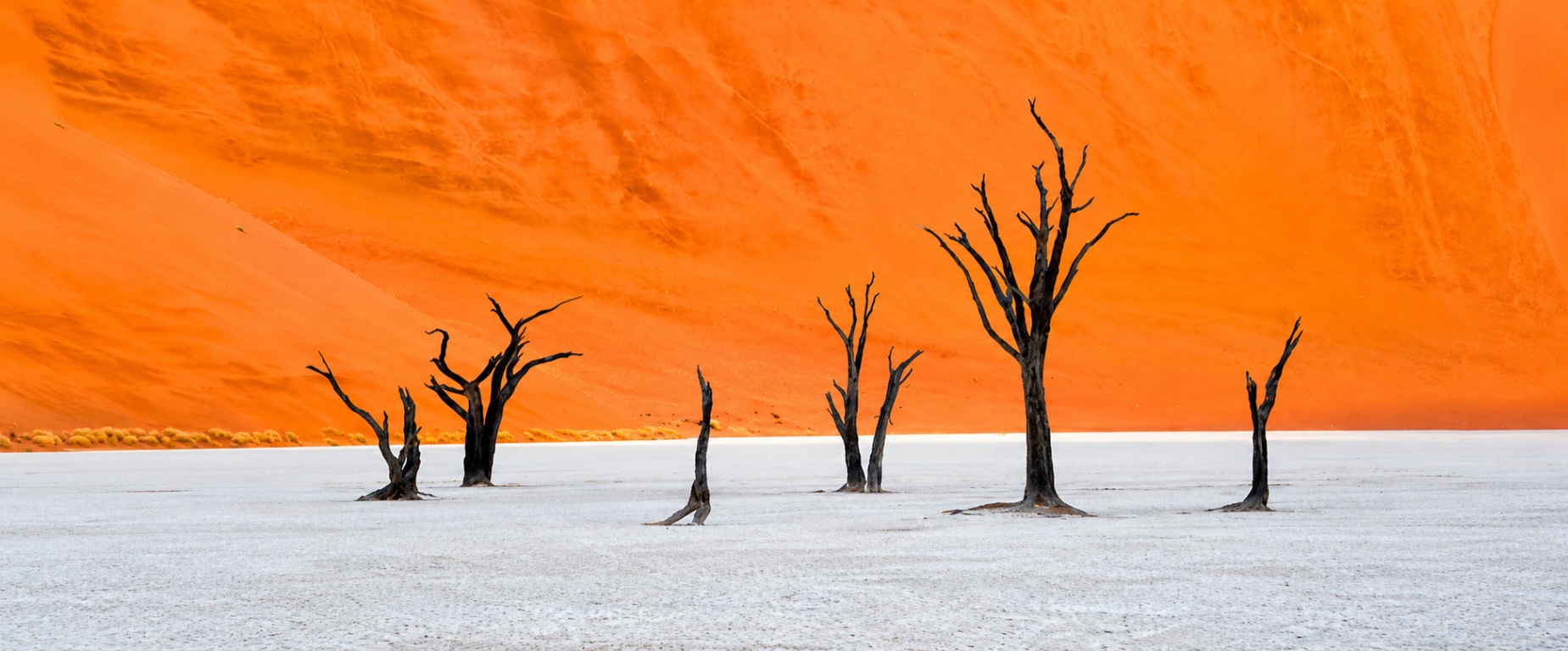
Deadvlei
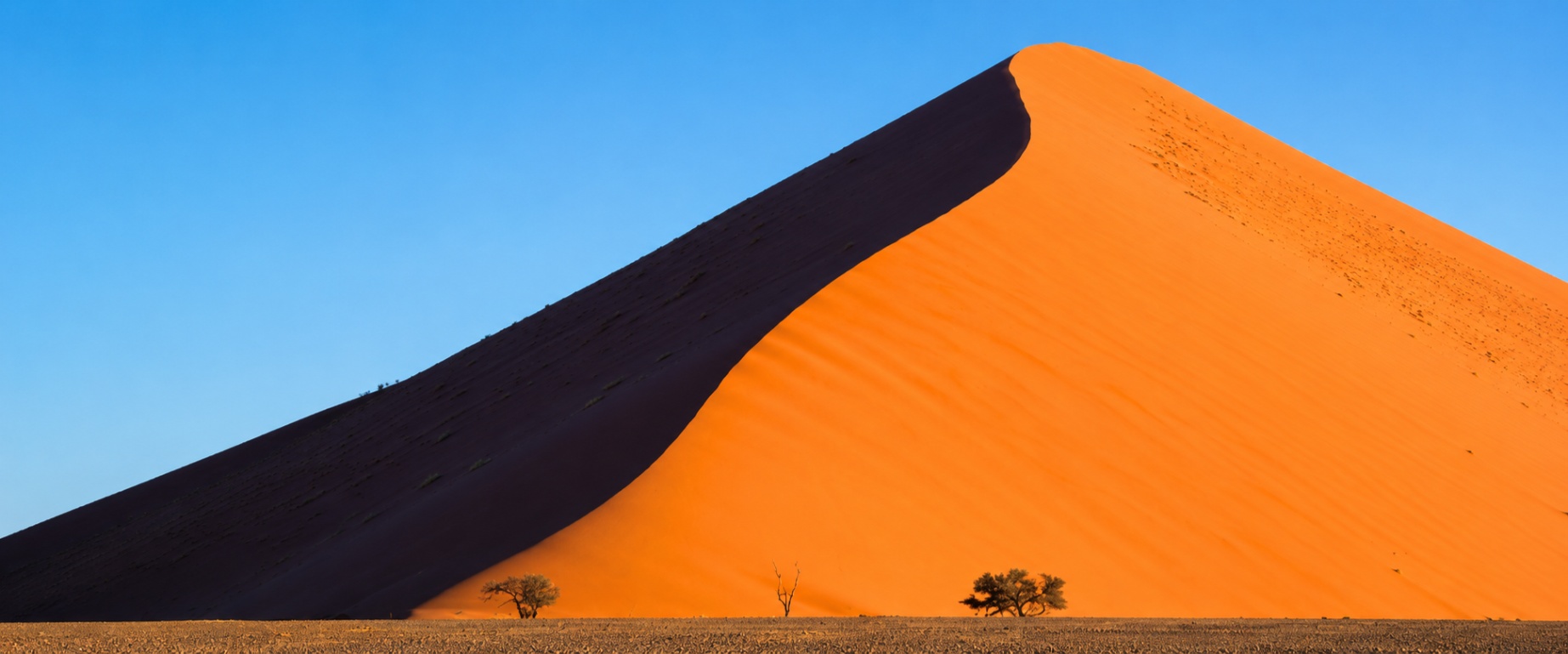
Dune 45
Big Daddy
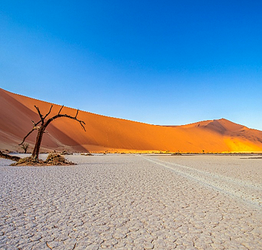
Hiddenvlei