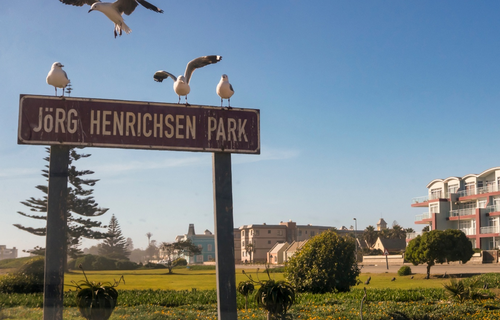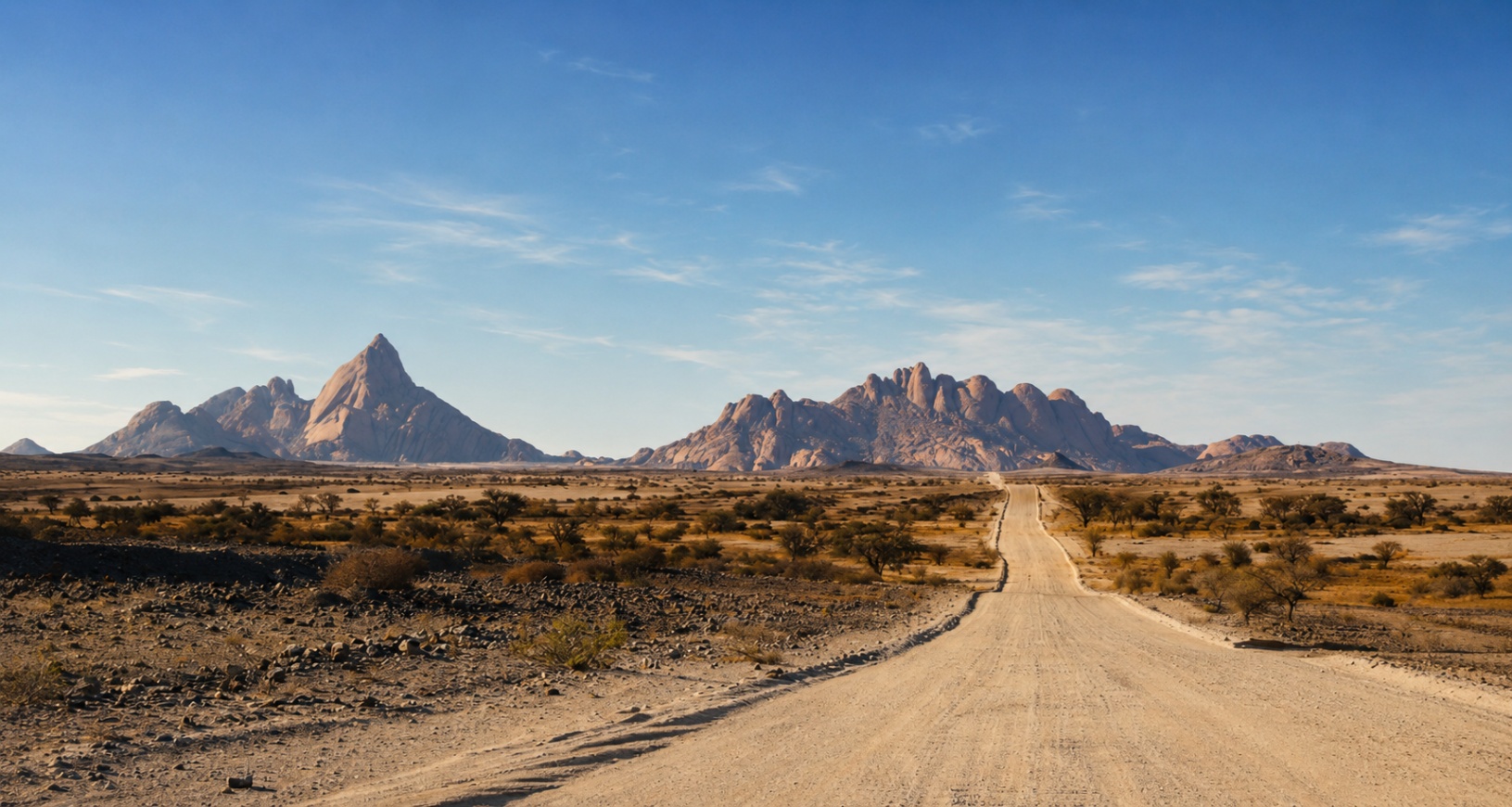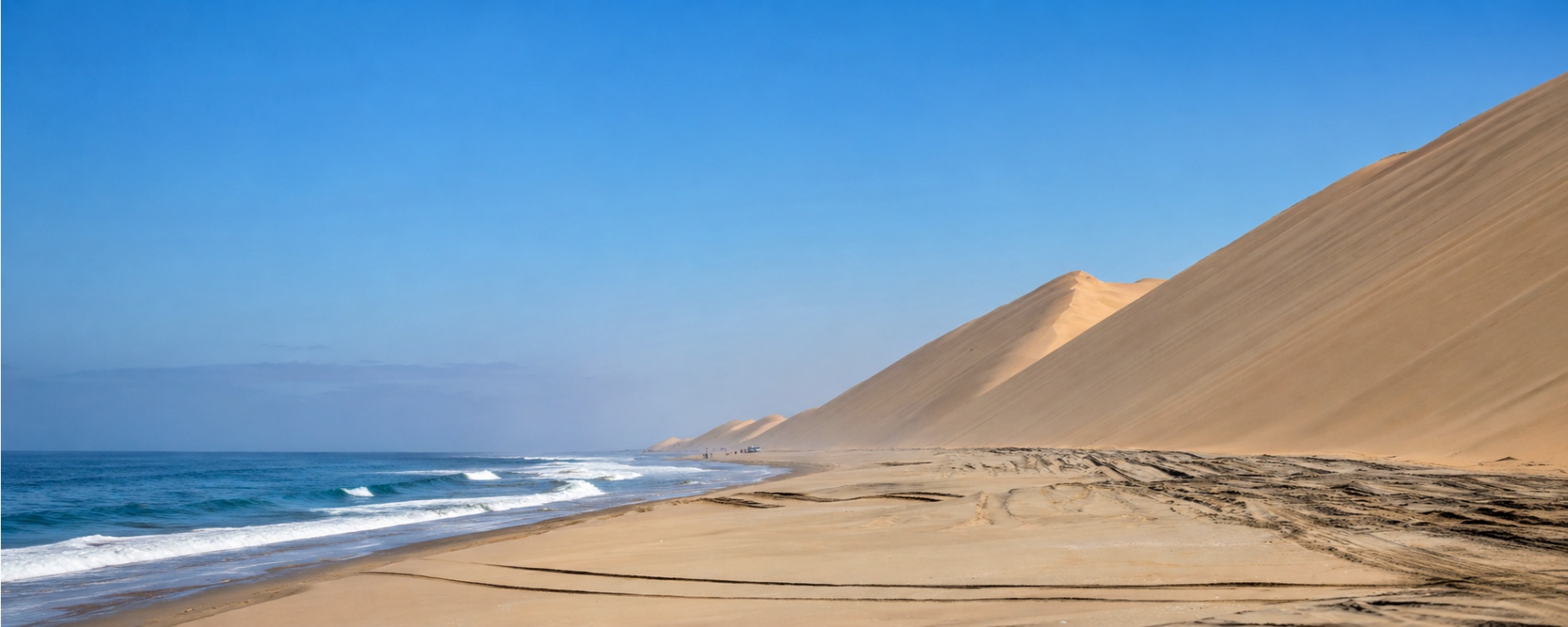
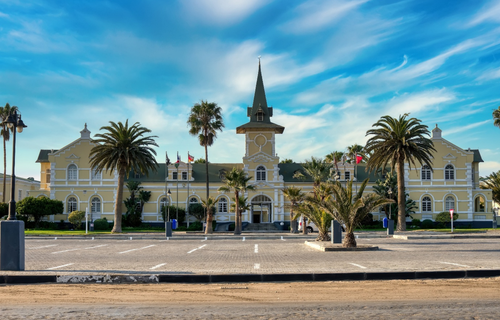
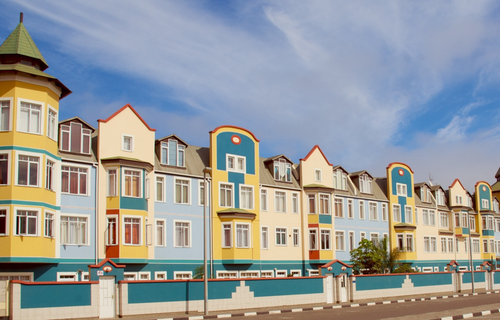
Situated between the Atlantic Ocean and the Namib Desert, Swakopmund appears almost unexpectedly along the coastline. Approached from the desert interior, its palm-lined streets, historic buildings, church towers, and seaside promenades seem remarkably out of place against the surrounding landscape.
Founded in 1892, Swakopmund has grown from a small harbour settlement into one of Namibia's most beloved destinations. Today, visitors are drawn by its rich history, cooler coastal climate, distinctive architecture, vibrant cafés and restaurants, and easy access to some of the country's most remarkable natural attractions.
Whether you are exploring its historic streets, enjoying fresh seafood overlooking the Atlantic, browsing local galleries, or venturing into the surrounding desert, Swakopmund offers a side of Namibia unlike anywhere else in the country.
Why Visit Swakopmund?
Swakopmund combines many of Namibia's most memorable experiences in one destination.
The Atlantic Ocean, the Namib Desert, rich history, adventure activities, galleries, cafés, restaurants, and coastal culture all exist within easy reach of one another. Few places allow visitors to experience such variety within a single day.
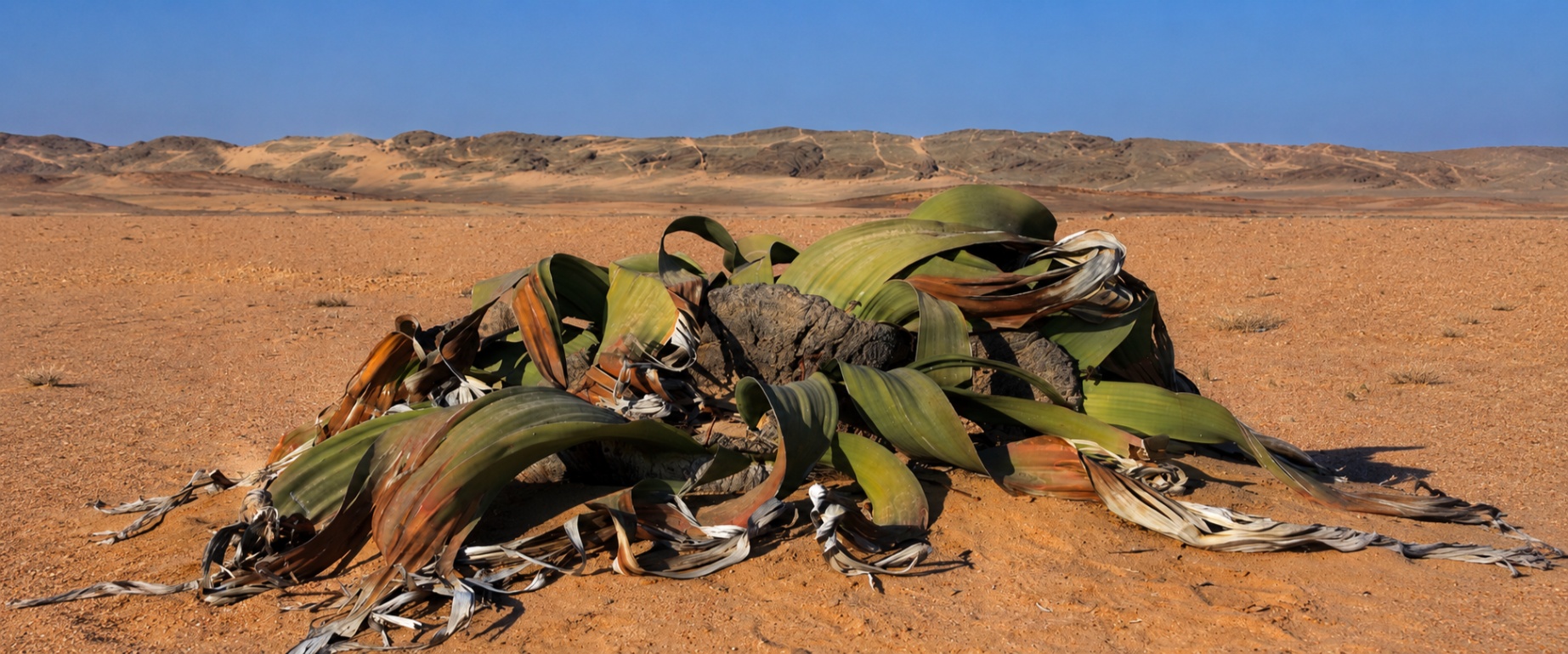
The town is also an excellent base from which to explore the surrounding region. The Welwitschia Plains, Moon Landscape, Sandwich Harbour, Cape Cross Seal Reserve, and numerous desert attractions can all be reached from Swakopmund.
Beyond its natural surroundings, Swakopmund has become one of Namibia's cultural centres. Art galleries, craft markets, local jewellery workshops, museums, and historic buildings invite visitors to slow down and experience a different side of the country.
Yet perhaps its greatest attraction is its atmosphere. Visitors often arrive intending to stay for a day or two and leave wishing they had spent longer.
Interesting Facts
Founded in 1892
Swakopmund was established by German colonial authorities as a harbour settlement and quickly became an important gateway to Namibia's interior.
Between Desert and Ocean
Few towns in the world are positioned between a vast desert and a cold Atlantic coastline quite like Swakopmund.
Influenced by the Benguela Current
The cold Benguela Current moderates temperatures along the coast and creates the fog that frequently drifts inland across the Namib Desert.
Home to Historic Landmarks
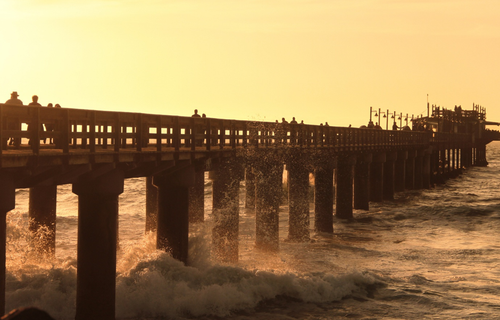
The Woermannhaus, Woermann Tower, Lighthouse, Swakopmund Railway Station, State House, Evangelical Lutheran Church, The Mole, and Old Iron Jetty remain important reminders of the town's past.
A Town of Crafts and Creativity
Swakopmund is known for its galleries, jewellery workshops, local textiles, artisan markets, and thriving creative community.
The Swakopmund Museum
One of Namibia's most important museums, it showcases natural history, archaeology, geology, indigenous cultures, and the history of the country's coastline.
Adventure on Land, Sea and Sky
The surrounding desert and coastline provide opportunities for quad biking, sandboarding, skydiving, fishing, marine cruises, and numerous other outdoor activities.
Gateway to the Namib
Many of Namibia's best-known attractions, including the Welwitschia Plains, Moon Landscape, Sandwich Harbour, and Cape Cross Seal Reserve, are easily accessible from the town.
The Story of Swakopmund
The story of Swakopmund begins with Germany's search for a harbour along the south-west African coast.
In the late nineteenth century, German colonial authorities required a port that would provide access to the interior of what was then German South West Africa. In 1892, a settlement was established near the mouth of the Swakop River and quickly developed into an important transport and supply route.
Life on the coast was challenging. Heavy Atlantic surf made shipping difficult, while shifting sands and harsh environmental conditions constantly tested those tasked with building a town on the edge of the desert. Despite these obstacles, Swakopmund continued to grow and soon became one of the colony's most important settlements.