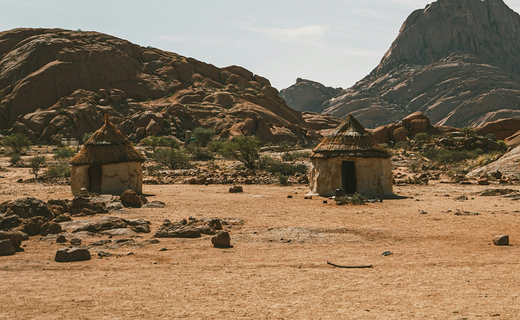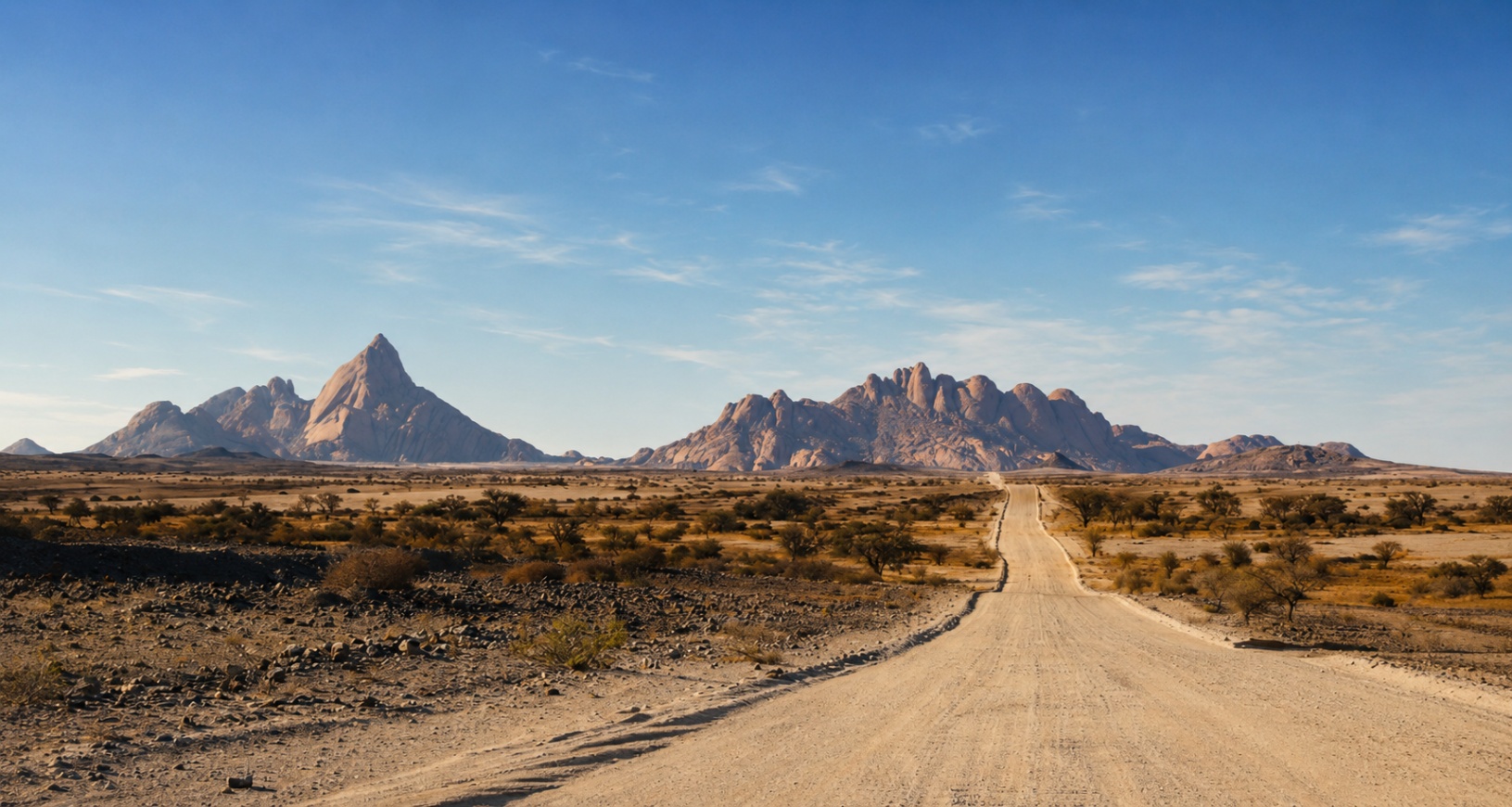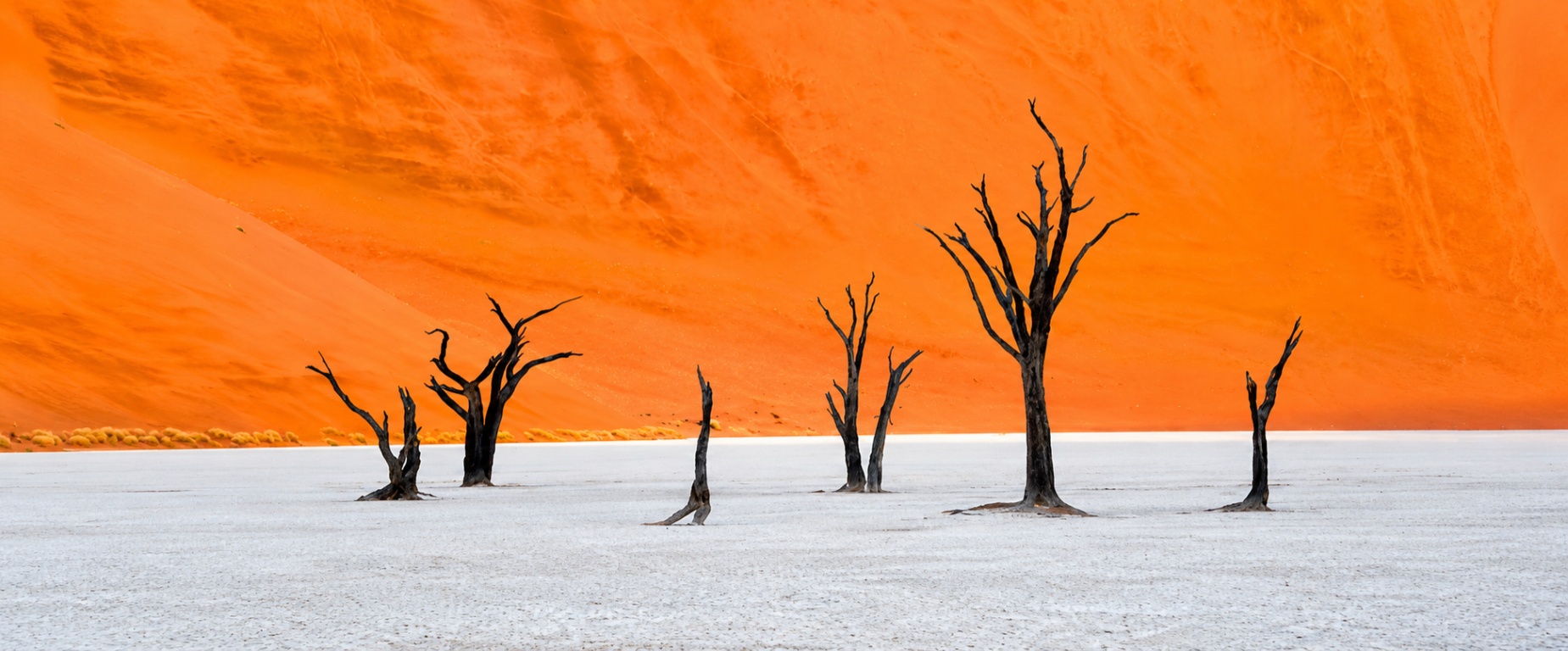
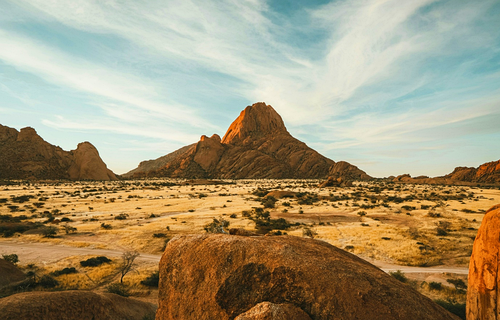
Rising dramatically from the Namib Desert in Namibia's Erongo Region, this remarkable group of granite peaks has become one of Namibia's most photographed natural landmarks. Visible from great distances, Spitzkoppe appears almost out of place against the surrounding landscape. What makes it particularly remarkable is how dramatically its appearance changes depending on where it is viewed from. From one angle it resembles a sharply pointed peak, while from another it reveals a collection of granite domes, ridges, and rock formations shaped by millions of years of geological history.
Located between Usakos and Swakopmund, Spitzkoppe attracts photographers, hikers, climbers, and travellers seeking some of Namibia's most dramatic scenery. Yet beyond its iconic silhouette lies a landscape of ancient rock formations, natural arches, hidden valleys, and San rock art that reveals a much deeper story.
Why Visit Spitzkoppe?
Spitzkoppe offers some of Namibia's most distinctive scenery.
Visitors come to admire the granite peaks, photograph the famous rock arch, explore ancient San rock art sites, and experience a landscape unlike any other in the country. The changing light throughout the day transforms the colours of the granite, making sunrise and sunset particularly memorable.
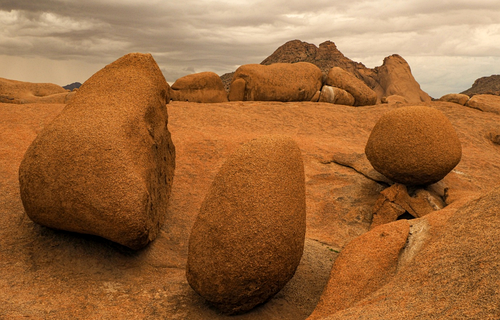
Unlike many destinations, Spitzkoppe rewards exploration. Hidden amongst the rocky outcrops are natural arches, balancing boulders, secluded viewpoints, and traces of the people who lived here thousands of years ago.
Interesting Facts
The Matterhorn of Namibia
Spitzkoppe is often referred to as the "Matterhorn of Namibia" due to its dramatic profile and isolated appearance above the surrounding plains.
More Than 120 Million Years Old
Geological studies suggest that the granite formations of Spitzkoppe are more than 120 million years old, making them among the oldest exposed rock formations in Namibia.
The Name Means "Pointed Dome"
The name Spitzkoppe originates from German and translates roughly to "pointed dome", a fitting description for the mountain's distinctive profile.
A Group of Peaks
Although often referred to as a single mountain, Spitzkoppe is actually a group of granite peaks and inselbergs. Nearby, the Little Spitzkoppe rises to approximately 1,557 metres above sea level, while the Pontok Mountains form part of the wider landscape.
Rising Above the Plains
The highest peak reaches approximately 1,728 metres above sea level and stands nearly 700 metres above the surrounding desert floor.
Home to Ancient San Rock Art
Several rock shelters around Spitzkoppe contain paintings created by the San people, offering a glimpse into Namibia's earliest human history.
The Famous Rock Arch
One of Namibia's most photographed natural features, the Spitzkoppe Arch has become an iconic symbol of the region.
A Haven for Stargazing
With minimal light pollution and vast open skies, Spitzkoppe offers some of the clearest stargazing opportunities in Namibia.
The Story of Spitzkoppe
The story of Spitzkoppe began long before the landscape visible today existed.
Geological studies suggest that the granite formations of Spitzkoppe were formed more than 120 million years ago when molten rock cooled beneath the Earth's surface. Over millions of years, erosion gradually removed the surrounding rock, revealing the striking peaks visible today.
Wind, weather, and time continued shaping the landscape, creating the arches, domes, balancing boulders, and rugged rock formations that characterise Spitzkoppe today. The result is a landscape that appears both dramatic and timeless, standing apart from the surrounding desert plains.
Long before modern travellers arrived, the San people recognised the significance of the area. Rock paintings found throughout Spitzkoppe provide evidence of human presence stretching back thousands of years and remain an important part of Namibia's cultural heritage. These paintings offer a valuable glimpse into the lives, beliefs, and traditions of some of the region's earliest inhabitants.
Later, German settlers named the formation Spitzkoppe, meaning "pointed dome", inspired by its unmistakable silhouette rising above the surrounding plains. The name has endured, becoming synonymous with one of Namibia's most recognisable natural landmarks.
Today, Spitzkoppe remains a favourite destination for photographers, climbers, adventurers, and nature lovers. Its distinctive profile has become an enduring symbol of Namibia's geological diversity and natural beauty.